
 Posted by
 Gig work has become very popular because of technology, apps, and the internet. With smartphones and online platforms, it’s now easy to find work without a traditional job.
Understanding Gig Workers: The Backbone of the Modern Economy
“Behind every app, there’s a gig worker hustling with hope, hard work, and resilience.”
In today’s fast-paced economy, the traditional 9-to-5 job is no longer the only path to earning a living. Increasingly, people are turning to gig work—short-term, flexible jobs that allow individuals to offer their skills and services on demand. Gig workers are now a significant part of the global workforce, reshaping how companies operate and how individuals approach employment.
What Is a Gig Worker?
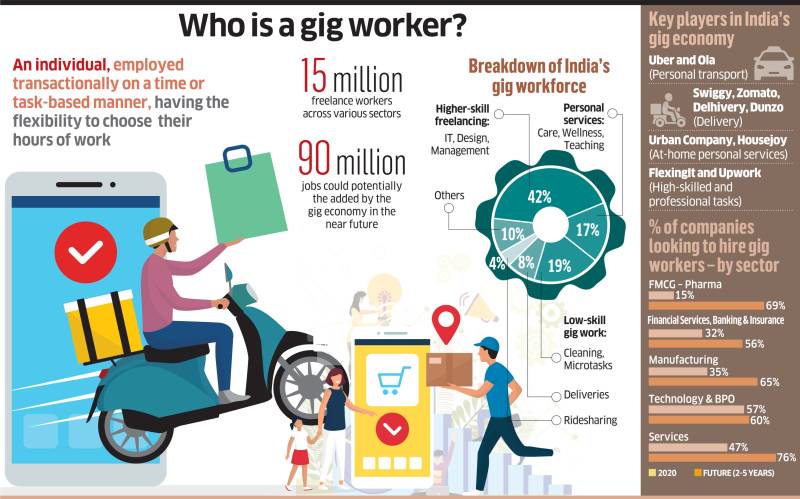
A gig worker is an individual who engages in temporary, freelance, or contract-based work rather than holding a permanent, full-time position. Gig work can range from driving for ride-sharing services like Uber and Lyft, delivering food through apps such as DoorDash or Uber Eats, performing freelance writing, graphic design, web development, or even providing specialized consulting services.
Unlike traditional employment, gig workers typically have more control over when and how much they work. This flexibility is a major attraction, but it also comes with challenges, particularly in areas like job security, benefits, and income stability.
Examples of Gig Work
Many big companies use gig workers, such as:
- Uber – people drive riders using the Uber app.
- Zomato & Swiggy – delivery partners deliver food from restaurants.
- Rapido – bike riders deliver packages or take people on rides.
- Blinkit & Zepto – quick commerce platforms that hire gig workers for fast deliveries.
- Upwork & Fiverr – online platforms where people offer skills like writing, designing, or programming.
These platforms connect gig workers with customers and businesses. Gig workers choose when and how much they want to work.
How Big the Gig Economy Is
The gig economy is growing fast worldwide:
- Around 435 million people globally are estimated to be part of the gig workforce. This includes drivers, delivery riders, freelancers, and more.
- In India, there are about 12 million gig workers — that’s roughly 2% of the total workforce. These numbers are rising every year.
- Experts estimate that India’s gig workforce could grow to more than 23 million by 2030.
- Delivery, logistics (moving goods), quick commerce (fast deliveries), and online freelancing are some of the fastest‑growing parts of the gig economy.
Why People Choose Gig Work
Many workers like gig work because:
- Flexible Hours – You can choose when you work.
- Work from Anywhere – Many jobs let you work remotely.
- Multiple Income Sources – You can work for more than one platform.
- Easy to Start – Minimal qualifications or experience are needed for many gigs.
This flexibility helps students, homemakers, part‑time workers, or anyone who needs extra income.
Benefits of Gig Work
Gig work appeals to many because it offers:
- Flexibility over when, where, and how much you work.
- Diversified income — workers can take on multiple jobs.
- Low barriers to entry — especially for delivery, driving, and online services.
- Entrepreneurial experiences — many gig workers build their own client base or brand.
For companies, gig labour provides a way to scale operations rapidly, control costs, and access talent without long‑term employment obligations.
Challenges Gig Workers Face
Even though gig work has many benefits, it also has problems:
- No Job Security – Work is not guaranteed every day.
- No Standard Benefits – Most don’t get health insurance, paid leave, or retirement plans.
- Income Fluctuations – Earnings can go up and down depending on demand.
- Less Protection – Laws do not protect gig workers as well as full‑time employees.
For example, many delivery partners in India earn less on slow days, and they must cover their own fuel and maintenance costs.
Recent News & Data
Recent reports show:
The number of gig workers in India increased by over 55% in just four years.
- Gig hiring (temporary and flexible jobs) grew strongly during festive seasons as retail and delivery demands rose.
- Many gig roles now exist beyond delivery — including white‑collar gigs like IT projects, graphic design, and consulting.
- Studies also show that around 40% of gig workers in India earn less than ₹15,000 per month, highlighting the income challenge many face.
These findings show that while gig work is growing fast, it also needs better support and protections for workers.
Gig work may be uncertain, but it teaches resilience, patience, and the value of every opportunity.”
The Future of Gig Work
Gig work is no longer a small trend — it’s becoming a major part of the future of work. As more companies use gig workers and technology improves:
- Workers may gain better tools, training, and opportunities.
- Governments and platforms might introduce benefits like insurance or minimum earnings.
- Gig jobs will likely spread into more industries — from transport and delivery to tech, design, and business services.
Conclusion
Gig workers are an important part of today’s economy. They provide essential services through apps and platforms, and many people depend on these jobs for flexible income. While there are challenges like income uncertainty and lack of benefits, the gig economy continues to grow and shape the future of work around the world.